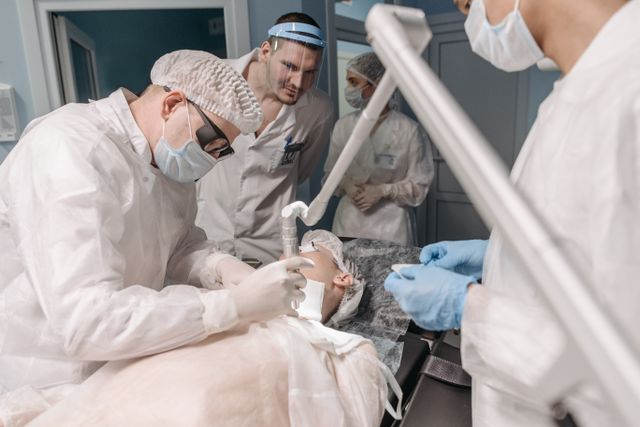
Laser mole removal has become a popular alternative to the recovery requirements of surgical excision, using concentrated light energy to break down pigmented cells within the mole while limiting damage to the surrounding tissue. Not all moles are candidates for removal via laser treatment, however, and factors such as lesion depth, location, pigmentation, and patient skin type all affect the appropriateness of laser treatment. Before undergoing mole removal, it is important to understand what the process entails, how recovery will occur, and what results to expect.
How Does the Assessment Determine Everything That Follows?
During laser mole removal, a dermatologist examines the skin to determine if the mole can be removed with laser energy. Flat and superficial moles are the best candidates for laser mole removal. Deeply rooted or raised lesions are more likely to be removed by surgical excision. It is a clinical step and not a formality to assess whether laser removal is appropriate.
The process itself is simple after confirmation of suitability. The treatment area is cleansed. A local anaesthetic may be applied for larger lesions and more sensitive patients. The laser delivers concentrated pulses of energy that are absorbed by the pigment-containing cells in the mole, causing them to break down. Treatment sessions typically last 15 to 30 minutes, depending on the number of lesions being treated. No stitches are necessary. This is one of the practical distinctions from surgical excision.
Recovery Is Faster Than Surgery, But It Still Requires Care
Redness, mild swelling, and temporary crust formation at the treatment site are normal reactions, not a sign of a problem. Most superficial wounds heal within 7 to 14 days. The treated area darkens, forms a protective scab, and then sheds naturally as new skin grows underneath. This can appear worse before it appears better. Patients who are not prepared for this sequence can misinterpret it as a complication. Helping patients understand this healing timeline before treatment begins can help to reduce unnecessary concern during recovery.
Sun protection is the most critical aftercare instruction. Exposure to UV during wound healing has been documented to increase the risk of pigmentation irregularities and visible scarring. Thus, direct sun exposure to the treated area while healing is not an optional directive, but an issue of cosmetic outcome. In comparison, surgical excision usually necessitates suture removal 5 to 14 days after the procedure, wound management for several weeks, and scar maturation for up to 12 months. As such, laser-treated areas generally show more rapid cosmetic healing. This is 1 reason why patients with facial lesions often prefer the laser approach.
What Results Are Realistic, And Where Are the Limits?
It can take several weeks for cosmetic improvement after laser mole removal to appear, and the final results are not completely clear until the skin remodelling process is complete. Results are usually positive for flat, superficial, and benign pigmented moles. The procedure minimises the risk of linear scarring that can result from surgical excision. It is often preferred for lesions on the face or other exposed areas. One limitation of laser mole removal is the risk of recurrence. Pigmented cells may remain in the skin, causing the mole to partially recur. This is a risk that surgical excision, which removes the entire lesion, avoids.

The Factors That Determine the Final Outcome
The final results are dependent on lesion size, anatomical location, skin type, age, and adherence to aftercare instructions. Areas with greater blood supply heal better than others. Areas with friction from clothing or repeated movement have a longer recovery time. Larger or darker lesions may need multiple sessions to achieve cosmetic improvement. Complete disappearance cannot be promised in every case. Setting expectations that are more aligned with those realities leads to more satisfaction than expectations based on the best-case outcomes in promotional material.
Of all these variables, sun protection is the most consistent in its influence. When patients commit to it during healing, it provides the treated skin with the conditions it requires to heal cleanly. Otherwise, there is a risk of irregular pigmentation that the procedure was intended to prevent. For the correct lesions, selected for the correct reasons, performed by practitioners with the clinical knowledge to recognise a good candidate from one who needs a completely different approach, laser mole removal can provide true cosmetic value.