

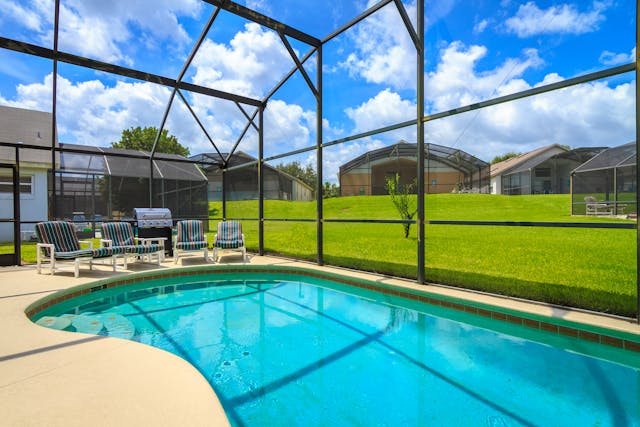
What Pool Fencing Does to Keep People Safe
Not only is pool fence a good idea for homes, it’s also required by law in all of Australia. Backyard pools are widespread in many homes, especially in warmer areas, so the possibility of accidents involving young children is still a big worry. The main purpose of pool fencing rules is to keep people out of pool areas so that fewer people drown or get hurt.
Safety barriers are the first line of defence because kids can swiftly and discreetly get into pool areas without supervision. Fencing that is put up correctly can keep people out for a while or even stop them from getting in. This gives grownups time to step in and stop a disaster. Because of this, all states and territories have tight guidelines about pool fences, and many of them are based on the national AS 1926 standards.
Having a physical barrier is not enough for pool fencing to be compliant; it also needs to meet very precise design and construction standards. Every feature, from the height of the fence to the way the gate swings, is controlled by rules to make sure everyone is as secure as possible.
How to Understand the AS 1926 Rules for Pool Fencing
The as1926 pool fencing is the most important part of Australia’s pool safety standards. The official name of this rule is AS 1926.1-2012. It says what the minimum criteria are for fences that keep people from getting into swimming pools, especially kids under five.
The rule says that all pool fences must be at least 1.2 meters high, measured from the ground level. To keep kids from slipping under or under the fence, there can’t be any gaps bigger than 100mm. To keep kids from climbing, the horizontal rails must be far enough apart. The vertical bars must also be small enough so that a child’s head or torso can’t pass through.
Gates must close and latch on their own, and the latch release must be at least 1.5 meters above the ground or made so that small children can’t reach it. Also, pool gates must always swing open and closed automatically from any open position.
The rules also say that there are non-climbable zones (NCZs) around the fence where things like trees, furniture, and garden elements can’t be placed. These areas are usually 900mm wide, and nothing that could aid a child climb the fence should be in them.

Common Mistakes and How to Stay Compliant
A lot of pool owners break the rules without even realising it because of tiny mistakes that can have large effects. Putting things in the non-climbable zone is a regular problem. If you put anything as basic as a potted plant or an outdoor chair too close to a fence, it might make it dangerous.
Another common problem is broken gate mechanisms. Over time, gates’ self-closing function might be affected by wear and exposure to the weather. If the latch doesn’t work every time or the gate doesn’t close all the way, the pool area is not safe and doesn’t meet the rules.
Owners should also stay away from putting up temporary or removable barriers, such as mesh fencing or freestanding panels, unless a competent specialist says it’s okay. These don’t often meet AS 1926 criteria and can make you feel safer than you really are.
To keep in compliance, it’s best to have regular inspections, either by your local council or a trained pool safety inspector. These inspections will find any problems early on and provide you suggestions on how to fix them before they become big safety problems or legal problems.

Why it’s important to have professionals install and check things
There are strict rules that pool fencing must follow, and the best way to make sure it does is to have it installed by an expert. A qualified contractor knows all the technical details and will think about every part of your property, including the landscaping, the height of the land, the buildings that are already there, and the ways to get there.
In addition to installation, hiring a qualified inspector to do regular checks will assist keep things secure all year long. If you want to sell or rent your home, these inspections are even more important because many jurisdictions need a pool compliance certificate to be part of the sale. If your pool fence was put up years ago, it may not be up to date with the AS 1926 rules anymore. A basic safety audit can help you understand things better and give you piece of mind. It can also help you avoid accidents or fines.


