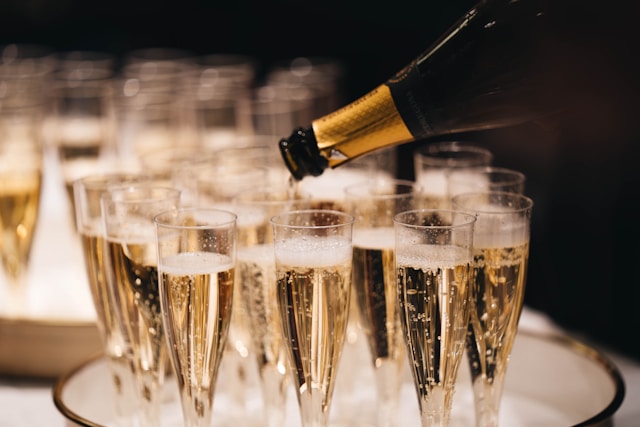
Some bottles only suit one kind of moment. Others seem to turn up everywhere and still feel right. That helps explain why brut champagne keeps its place so easily at birthdays, weddings, engagements, long lunches, work events, milestone dinners, and casual toasts that become bigger than expected. It has range without losing its sense of occasion.
That balance matters. A celebratory drink needs to feel festive, though it also needs to be easy to bring to the table. Too sweet and it can feel limiting. Too sharp and it risks becoming a bottle people admire more than they enjoy. Brut sits in the middle with far more versatility than most styles. It feels polished, familiar, and broadly appealing without becoming dull.
Brut works because it suits more palates
One reason brut keeps winning is simple: it’s easier to serve to a mixed crowd. Sweeter sparkling styles can divide people quickly. Very dry styles can do the same. Brut tends to land in a more comfortable space, with enough freshness and structure to feel refined, though enough approachability to work across different tastes.
That matters whenever the bottle is being opened for a group rather than one person’s exact preference. Most celebrations involve mixed company, mixed food, and mixed levels of wine knowledge. Brut handles that better than most styles because it rarely feels like a risky choice.
It feels celebratory without trying too hard
Some drinks lean so heavily into “special occasion” territory that they almost become formal props. Brut avoids that problem. It still carries the energy people want from sparkling wine; lift, brightness, freshness, and that unmistakable sense that the moment matters. Still, it doesn’t feel stiff.
That’s a big part of its staying power. Brut can be poured at a wedding and feel entirely at home. The same bottle can appear at a relaxed lunch, a promotion dinner, or a New Year’s toast without feeling overplayed. It moves easily between polished and casual settings, which few wines manage quite as cleanly.
Food compatibility keeps it in circulation
A bottle that only works before the meal has a narrower life. Brut tends to stay in the picture because it handles food so well. Its freshness and structure make it useful across canapés, seafood, fried food, soft cheese, lighter mains, and plenty of the salty, rich, or celebratory dishes that show up when people are gathering.
That flexibility makes it far more than an opening pour. It can start the event, move through the table, and still feel relevant once the food arrives. A lot of sparkling wines don’t have that kind of breadth. Brut usually does.
Familiarity helps, but so does reliability
Plenty of people reach for brut because they know roughly what they’re going to get. That isn’t a weakness. In celebration wine, reliability counts for a lot.
When someone’s bringing a bottle to a party, dinner, or event, they’re rarely looking to make the most experimental choice possible. They want something that feels safe in the best sense; confident, well-judged, and unlikely to miss the mood. Brut keeps earning that trust because it delivers a style people recognise and generally enjoy.
That kind of reliability matters even more when the bottle carries a social role. It’s not only about personal taste. It’s about contributing something that works for the occasion.
Sweetness in check usually means better longevity across the night
One of brut’s quiet strengths is how well it holds up over a longer event. Sweeter sparkling styles can feel fun at first, then start tiring the palate once the second glass arrives. Brut usually stays fresher for longer.
That makes a difference at weddings, receptions, dinners, and extended celebrations where the bottle isn’t being opened for one quick toast and then forgotten. A wine that stays lively and balanced across the evening is always going to have broader appeal than one that peaks too early.
Presentation still counts
Part of brut’s staying power comes from something less technical: it simply looks and feels right for celebration. The bottle shape, the cork, the sound of it opening, the stream of bubbles in the glass, the expectation it creates; all of that still carries social weight.
Brut benefits from that theatre, though it doesn’t depend on style gimmicks to make the point. It arrives with enough built-in occasion to elevate the moment without needing explanation. That’s useful because celebrations often run on mood as much as planning. The right bottle helps set the tone quickly.
It bridges tradition and modern taste surprisingly well
Some celebratory drinks feel trapped in an older idea of luxury. Others feel so trend-driven they risk dating quickly. Brut has managed to sit across both worlds for years. It still carries tradition, though it also feels current enough for modern drinkers who want freshness, restraint, and a more food-friendly style.
That’s a hard balance to strike. Brut manages it because its appeal doesn’t depend on novelty. It depends on structure, versatility, and social ease. Those qualities age better than trends do.
The best celebration bottle is usually the one people actually want to drink
A lot of bottles get chosen because they look right for the moment. Brut keeps its place because it usually does more than that. People genuinely want to drink it. They’re happy to start with it, happy to return to it, and happy to see it arrive at the table.
That matters more than ceremony alone. The strongest celebration bottle isn’t simply the one that signals “special occasion”. It’s the one that helps the occasion feel relaxed, generous, and easy to enjoy.
That’s why brut champagne remains the go-to bottle for almost every celebration. It has the lift, familiarity, food flexibility, and social range that make it useful far beyond one kind of event. Some styles feel right once in a while. Brut keeps feeling right almost every time.