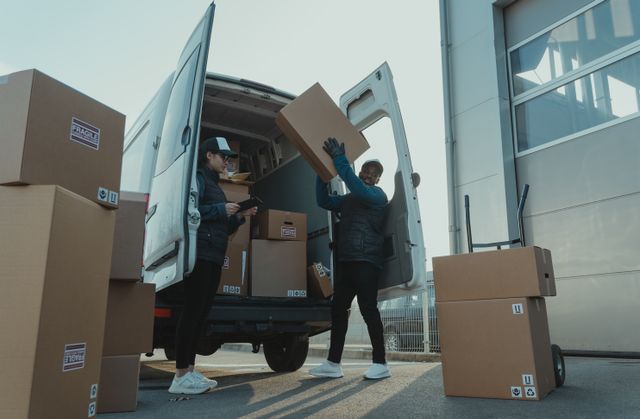
The next big step in the development of a business can be giving the keys to its storage facility to another organisation. This is what third-party logistics, or 3PL, offers to relieve a company from handling all processes related to receiving, stocking, packaging and delivering goods. However, 3PL does not guarantee the company to have precise control over the stock tomorrow morning or a quick return of the refund in case of a defective item; the latter depends almost entirely on how the deal is arranged in the first few weeks.
Outsourcing In Everyday Practice
Third-party logistics service providers can handle all steps that the product goes through since it is received from the supplier. Products are unloaded, stocked, picked, packaged and delivered while returns move in the opposite direction. Some companies give 3PL logistics services all the steps while some leave particular activities like quality control or gift packaging for themselves. It is much more important than many business owners think whether they rent shelf space or buy a whole process.
Visibility Is the Real Test
Transferring products does not mean transferring information about them. At national level, Australian governments have identified data as one of the four priorities in the revised National Freight and Supply Chain Strategy, with the Commonwealth agreeing to develop a National Freight Data Hub. It goes perfectly well in business. A competent provider will always report stock levels, orders and delays voluntarily. There is only one question to ask to find out: Can the owner check what is on the shelves this morning without a phone call? If a provider fails to show how it is going to integrate the reports into current sales platforms, frustration is likely to ensue.
Trade Orders and Home Deliveries Follow Different Laws
Commercial customers and online buyers have entirely different requirements for the delivery services. While trade orders arrive on pallets or cartons to a reception dock within pre-booked time slots and without the possibility of bypassing strict labelling requirements, home deliveries arrive in the form of individual parcels with tracking links and a customer waiting for it at the door. All packaging standards, requirements for accuracy and deadlines are entirely different here. Any company delivering to trade customers and home addresses should thoroughly consider how each stream is managed and whether the same small team is working both streams to its limits. Mistakes in trade deliveries are especially expensive, since one wrong or delayed pallet may cause the entire delivery to become stuck.
Returns Require Planning Before Launch
Returns start coming when the initial excitement is already gone, and very quickly. Somebody has to decide what to do with returned products (inspect, restock, repair or write off), and how soon the client gets his money back. The delays result in tying up the cash flow and reducing customer ratings. Loads of agreements include a clause regarding returns on one single line, while returns require an equal amount of attention as outbound deliveries. Preparing all terms in writing ensures that a stack of returned boxes will not become an unpleasant surprise somewhere in the warehouse.
Don’t Get Caught On The Hop With Your Pricing
The price you’re charged will inevitably depend on a few factors like the space you’re using, the volume of your orders, any services you need and how often you’re moving stock around. Businesses with unpredictable demand will find pay-as-you-go models work best for them, while a fixed fee might suit those with a steady stream of orders. Don’t get caught out by nasty surprises at the very start of things like:
- Special handling for fragile or oversized items, the ones that need a bit of extra TLC.
- Any additional reporting or system integration work to make sure everything’s humming along.
- Minimum storage charges when things slow down, or when your stock just isn’t moving.
- Fees for super priority or same-day dispatch, because sometimes you just need something to get there pronto.
Take a look at a sample invoice from a current client (identifying details removed for obvious reasons) and you’ll see just how these hidden extras crop up in real life. And don’t forget service measures like making sure your orders get dispatched on time and are accurate; these should all be written into the contract with clear steps in place if things start to go downhill.
The First Few Months Will Show You Problems
The early days of a new arrangement are when problems are most likely to crop up: stock moves between sites, systems connect for the first time and staff on both sides are still getting to grips with new routines. Double-checking stock before and after the transfer, testing orders before they go live and holding weekly check-ins can catch issues while they are still small. It’s a good idea to think about the exit process too; a clear plan for when you leave, with stock returned and records handed back, keeps the relationship honest from day one.

Three Questions to Ask Before Signing On the Dotted Line
A short trial will tell you more than any brochure. Ask to see a sample report, walk through the returns process step by step, and ask for the exit terms in plain English. A provider that answers all three clearly is offering a partnership, while one that hesitates is just selling you a shelf. Outsourcing works best when a business hands over the heavy lifting and keeps the oversight firmly in their own hands.