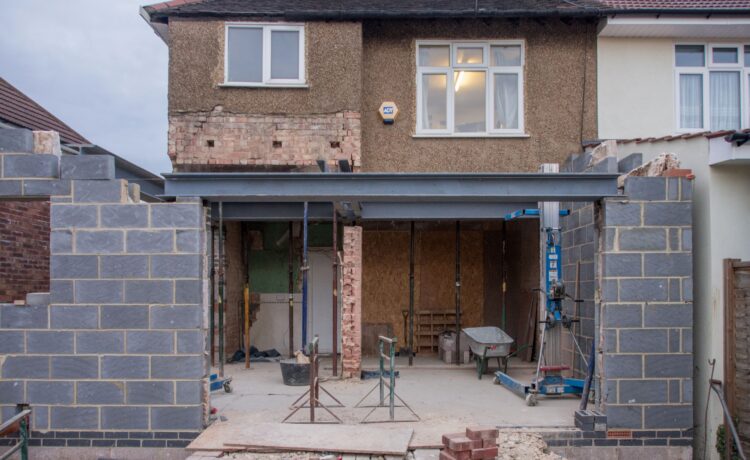
Starting from 1 July 2026, Home Warranty Insurance has covered Victorian building contracts, exceeding $20,000 in value and related to houses of up to three levels. The amount of assistance available under the scheme is up to $400,000 for each property. Previously, the insurance was applied when the contractor passed away, ran away or became insolvent. Under the new scheme, it would cover incomplete, faulty or non-conforming work the builder is unable to complete. Those who contact the house extension builders in Werribee will want to know about the availability of the above insurance for their project. All contracts made before 1 July 2026 follow the old insurance provisions.
Reasons For Frequent Rule Amendments
Victoria is updating its regulations for domestic buildings, which apply to house extension builders Werribee, due to the bankruptcy of a big company developing home buildings. After the government review, the Domestic Building Contracts Amendment Act 2025 was adopted in September 2025. Now, the commencement date of the Act has been postponed till 31 March 2027 as stated on the consultation page of the Victorian Government.
Proposed amendments are intended to improve the clarity of payment terms, give homeowners the right to terminate the contract and create a unified procedure for contract variations. One of the measures provided in the Act is increasing the threshold of major contracts from $10,000 to $20,000. At present, the threshold of a major domestic building contract is $10,000. With the change of rules, the homeowner should be aware of the conditions applied at the moment of entering into the contract.
Major Domestic Building Contract Requirements
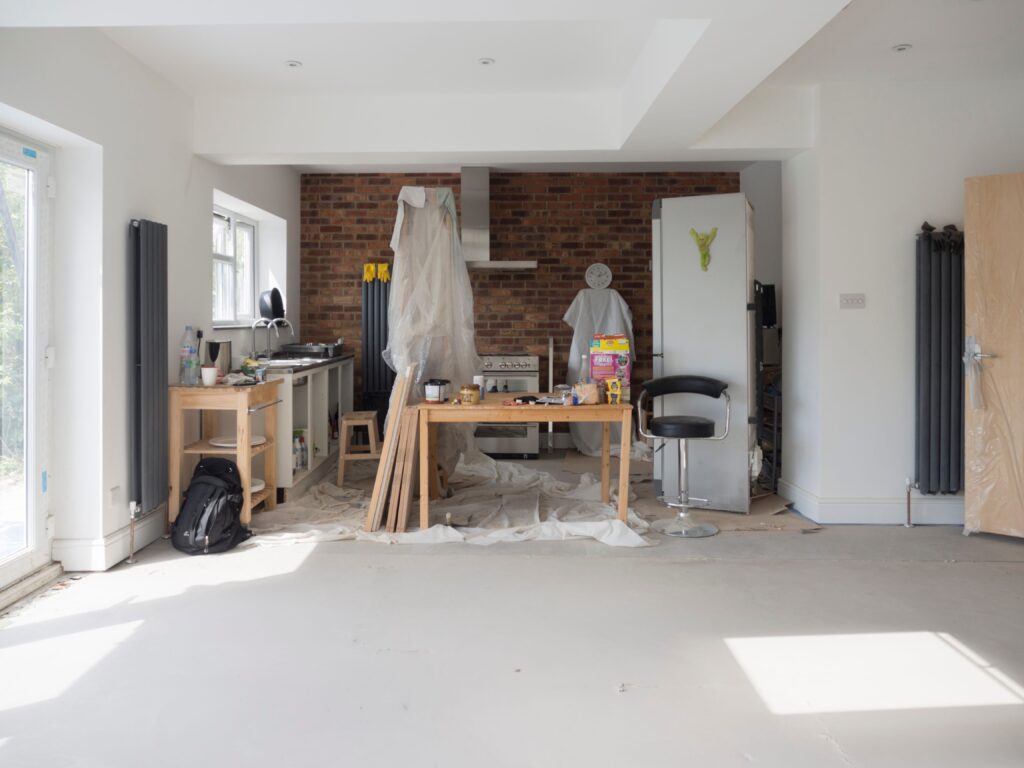
According to the 2026 consumer guide, the major contract should be written and specify the contract price, information about the deposit, progress payments, work description, plans and specifications. The data about the five-day cooling-off period must be included as well.
A pre-construction agreement exceeding $10,000 in value could be considered a major contract too. Such agreements cover construction-related work, including preparation of the design. All changes to the work described in the agreement must be agreed in writing before the additional works commence. The agreement on each variation must indicate additional costs and the impact on completion date.
It is recommended to have enough time to carefully read the contract before signing. Independent legal advice is advised though obtaining such advice means the loss of the cooling-off period.
How Home Warranty Works In The Real World?
The builder’s gotta cough up the cash for the insurance premium to the commission within 10 business days of signing on the dotted line or before they even break ground on the project. The commission then sends over a notice of coverage that you’ll wanna see; don’t even think about starting any work until that thing has arrived.
The warranty should cover things like lost deposits if the project hasn’t even started yet, as well as any incomplete, defective or non-compliant work that surfaces. Just keep in mind that there are time limits on how long you’ve got to make claims. Your consumer guide will probably tell you that you’ve got up to six years to report any defective work; after that the project is done and dusted. But the fine print in the notice of cover and policy terms will give you the lowdown on what’s actually covered on each job.
Just a heads up, if you go out and arrange repairs or finish off a half-done job without getting the green light in writing, you can kiss your right to assistance goodbye. Don’t even think about taking matters into your own hands without checking the rules first.
Are The Builders Properly Credentialed?
The kind of work a builder is allowed to do is determined by their registration class. The commission lists all the different classes, from Domestic Builder (Unlimited) all the way down to Domestic Builder (Limited). You can just check the register yourself, no specialist knowledge required.
Limited registration means the builder can only do specific types of work, like carpentry or glazing. Every big building contract should have the builder’s registration number on it, as shown on their certificate. All you need to do is cross-check that number against the public register and you can avoid a whole world of problems down the line.
Warning signs include big upfront deposits, quotes that are as clear as mud, and the pressure to sign on the dotted line pronto. Be super cautious if a builder starts talking about getting an owner builder permit while they arrange the work.
A Shortlist Worth Considering
You’re gonna want to build a shortlist based on facts rather than a friendly chat or a first impression. Get each builder to hand over their current registration details, proof of insurance, and two or three references from similar jobs. The more recent the better.
Get a written breakdown of the work and an itemised quote so you can compare everything line by line. If a builder’s got extension experience under their belt, they should be able to walk you through how the new structure is gonna tie into the existing house. If they can’t give you a straight answer before you sign on the dotted line, don’t expect things to get any clearer after the deposit’s been paid.
Permits, Surveyors And The Owner Builder Route
You need a building permit from a building surveyor to confirm that the plans meet building regulations. Keep the permit documents safe and sound along with the contract, because they might come in handy when you’re selling the place later on. If you’re an owner builder, you’ll need to get a surveyor on board before you even think about applying for the permit, and watch out for penalties if the necessary permits aren’t sorted.
The surveyor will also come out and do the required inspections at various stages of the build. They’ve even got a tool on their website to help you figure out if you need approval for your project in the first place.
If you’re an owner-builder and you’re shelling out more than 20 grand, you’ll need to get a certificate of consent from the authorities.