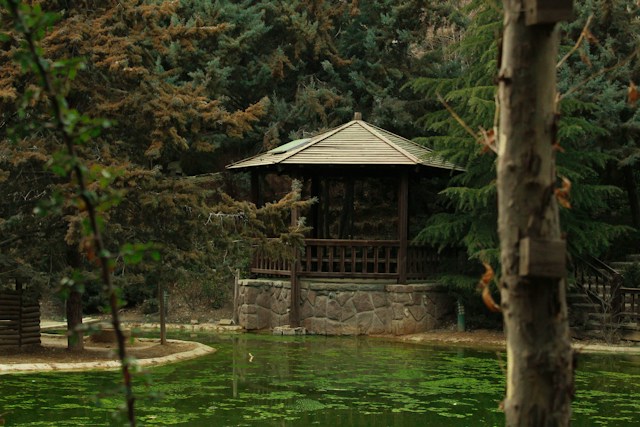
Pass under a blossoming archway during the warm spring evening, and you would notice the difference in your experience of the garden. The unique feature of garden arbours is that they tend to make people slow down. There are few garden structures that provide such great value in so little space.
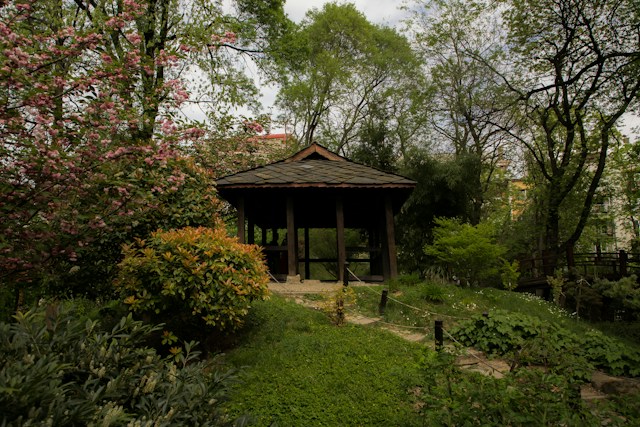
More Than Just an Ornamental Feature
An arbour is a kind of portal within the garden. An arbour by the front gate serves as an indicator of welcome. On the path through the garden, an arbour guides people deeper into the garden.
Often garden arbours, pergolas and arches are confused, although they serve a different purpose. A pergola is a much bigger structure which covers an open-air patio or deck. While an arch is usually plain, an arbour may include trellises and sometimes seats. Just like any other garden structure, garden arbours can be equally useful in small courtyards and large suburban gardens.
Choosing Materials That Can Take the Australian Climate
The choice of materials determines how long-lasting and maintenance-free an arbour will be. Metal structures such as wrought iron and steel tend to last a long time. Rust-resistant powder coatings and metal frames allow you to highlight the beauty of flowering climbers.
Timber is beautiful and provides great value to the cottage or native garden. However, the timber should be regularly oiled or stained to resist cracking, fading and rot. Termites are another issue with using timber, especially in warmer climates.
UV rays tend to deteriorate poor-quality coating rather quickly in most parts of Australia. Coastal areas experience corrosion caused by the salty air for untreated metal garden arbours. Better quality materials cost more, but they don’t need replacement.
Picking Climbers for a Warming Climate
An arbour is at its most magical when the plants start snaking their way through the frame. But what you choose to plant should be guided by the climate, after all.
The Bureau of Meteorology reported that 2025 was Australia’s fourth warmest year on record. And it wasn’t just the temperature that was a problem; the national average was a whole 1.23°C above the 1961-1990 average. On top of that, much of Victoria, Tasmania, South Australia and parts of Western Australia were looking at below-average rainfall.
When you’re a gardener, that spells out one thing: you need hardy climbers that can handle the heat and the dry. And of course, good mulching habits don’t go astray either. So what’s popular in Australian gardens? Well, here are a few standouts:
- Star jasmine: It’s fragrant, evergreen and can handle itself in a lot of different climates.
- Bougainvillea: This one’s a real showstopper, vivid colours and drought-tolerant, so it’s perfect for hot, sunny spots.
- Wisteria: This one’s a real spectacle in the spring, but be sure to give it some strong support, and a cooler area to boot.
- Hardenbergia: This native climber’s a real battler, tough as nails and with beautiful purple flowers in late winter.
- Pandorea: This one’s a real speedster, fast-growing and with trumpet-shaped blooms to boot.
Local nurseries are a great resource; they know exactly which climbers will thrive in their area, and can give you the lowdown on what works best in your region. Especially if you’re dealing with frost or drought, they’re the ones to go to in those cases.
Placement, Footings and Headroom
Now, that climber might look delicate in a pot, but trust us, it’ll put on some serious weight once it gets mature. Wisteria’s a particular offender, and it can really put a strain on a weak frame after a few years.
That’s why solid footings are so important; they keep your arbour steady in windy weather. And it’s worth laying down the extra cash for concrete posts or secure ground anchors during installation; it’ll make all the difference in the long run.
When you’re planning your arbour, don’t forget to think about headroom; you want to make sure taller visitors can walk through comfortably, even once the plants start sprawling and hanging down. And it’s not just about the arbour itself; path width matters too, especially if you’re going to be wheeling a barrow or mower through.
The direction of the sun plays a big part in how well your climbers will do, too. Most flowering climbers need a few hours of direct sun each day to put on a show, so bear that in mind when you’re choosing where to put your arbour.
Seating, Shade and Everyday Use
There’s something special about an arbour with built-in benches; it creates a little nook that’s just perfect for enjoying a morning coffee or an afternoon book. Surrounded by leaves and dappled light, these spots can become the favourite corner of your garden.
As the summers get hotter, shade becomes more and more precious. A well-covered arbour can be a real lifesaver on a warm afternoon.
But it’s not just about the daytime; lighting can really make an arbour come alive at night. Solar fairy lights or soft spotlights can turn the whole structure into a soft, gentle focal point without any harsh glare.
Special Occasions and Seasonal Touches
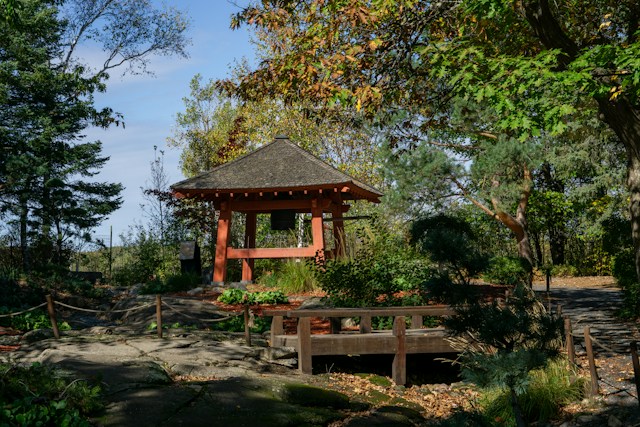
Arbours are the perfect backdrop for all sorts of special occasions: weddings, family photos, birthday parties… the works. And the best part is, it feels like magic without needing a lot of decoration.
Seasonal touches are a great way to keep your arbour feeling fresh and new all year round. Spring flowers, summer greenery, festive decorations in December; it’s amazing how much of a difference a few little touches can make.
Maintenance’s pretty easy, but steady: just prune your climbers to keep them healthy and stop them taking over the frame, and do a quick check of the fixings each year to keep the whole thing shipshape.
An arbour doesn’t take up much space, but it gives your garden shape and shade and a reason to pause for a minute. And in a backyard that’s just a blur of activity, that pause can be the best part.