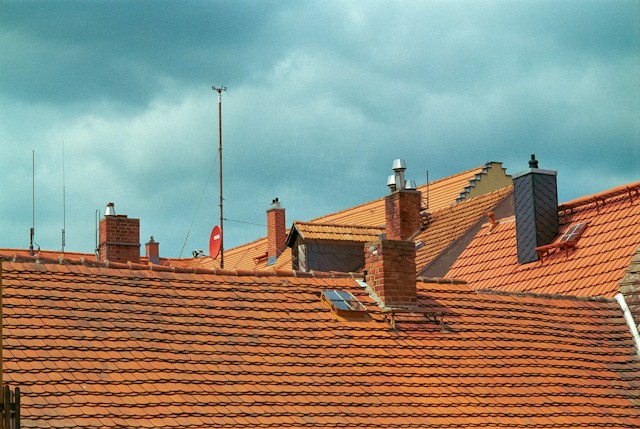
The average Australian does not venture into the roof space, and therefore is unaware of the events taking place there. Above the ceiling, heat and moisture accumulate without being detected, only later making their presence known as warm sleeping areas and damp, smelly or even mouldy conditions. Roof ventilation can help alleviate some of the issues, but can only be effective in combination with other elements.
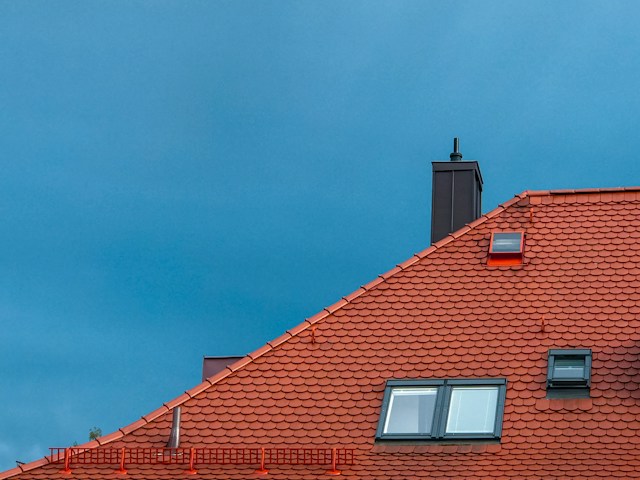
Activities Above the Ceiling
On a hot day, sunlight shining upon the roof will cause the air under it to heat up. Without proper insulation and roof ventilation, the heat will descend into the rooms below, leaving the upstairs bedrooms warm for a long time after nightfall.
Water vapour is the less visible issue. Human respiration, bathing, cooking and drying clothes all add moisture to the air in one’s house. Some of the vapour will rise into the attic through leaks and penetrations in the roof.
Warm air condensing upon surfaces that are cooler than it is an everyday occurrence. Cool night air condensing upon the underside of a metal roof on a cloudless night is an excellent illustration. Condensation can happen beneath any roofing anywhere in Australia year-round.
Why Tighter Homes Turned the Tables on Ventilation?
Old homes used to let air leak through walls and roofs, inadvertently carrying moisture away. This wasn’t because they were designed to work that way, just a consequence of being a bit leaky.
Newer homes are built to be more energy efficient, which is a real plus for comfort and our power bills. But paradoxically, that same sealed-up feel can trap moisture when ventilation isn’t given a thought.
The National Construction Code has now swung into action, requiring new buildings to be able to handle condensation risk. It’s got clauses for tightly sealed buildings, how materials let moisture through, and extra ventilation for specific rooms and roof spaces that tend to get moisture build-up.
You might notice the following warning signs of a roof space struggling with condensation:
- That musty smell you get near the ceiling vents or manhole; it’s not just the vacuum cleaner that’s to blame!
- Dark spots or mould on ceilings, especially in the bathroom; it’s like someone left a dirty sock on the roof.
- Damp insulation or water stains on the roof timbers; this is definitely not a good sign.
- That rust you see on fixings or roof battens; sorry to say, that’s just another moisture-related problem waiting to happen.
Ventilation and Insulation: Not a Battle, a Partnership
Here’s where many homeowners get into trouble; they try to ventilate a roof space and end up with a disaster on their hands. Ventilation can take the moisture away and carry the summer heat out, but it’s got a sting in the tail; it changes the whole way the roof behaves.
When a roof space is fully vented, it’s rather like sticking it outside the home’s thermal envelope. The ceiling insulation then does the heavy lifting, keeping heat in or out of the rooms below. It’s a bit like saying “let’s ventilate the home to bits” and then leaving the insulation to pick up the pieces.
A well-designed vented roof achieves three tricky things at once. It keeps condensation from forming beneath the roof, removes humidity from the roof space and still manages to keep strong insulation above the ceiling. When all three are working together, the roof can perform beautifully.
One key thing here is sarking, a membrane that lies beneath the roofing that catches condensation and directs it out safely, rather than letting it drip onto the insulation and plasterboard.
Passive or Powered: How Do You Choose the Right System?
Passive systems use wind and warm air to get the job done; no need to worry about turning a light switch. There’s a good chance you’ve seen whirlybirds whirling away on the roof, drawing warm air up and out as they go around.
Eave and ridge vents work as a team, letting cooler air in at the bottom and releasing warmer air at the top. Some newer roofs also have a ventilated cavity, tucked in between the roofing and sarking, running from the bottom to the top.
A Common Mistake Lurking in the Bathroom
Exhaust fans in bathrooms, laundries and kitchens are great at sucking out moisture. The problem is, in all too many homes they just blow that moist air straight into the roof space.
And then of course the moisture settles on the roof and timbers, adding to the very problem ventilation is trying to solve in the first place. An easy fix is to duct that exhaust fan outside to the big wide world, nice and simple.
Different Climates, Different Approaches
You can’t rely on a single approach to suit every part of Australia. In the tropics, for instance, it’s more about air conditioning and the threat of condensation forming on cool surfaces inside the house. Then in the cooler south, it’s more about winter, warm indoor air meeting cold materials and condensation forming inside walls and roofs.
And in bushfire areas, you’ve got to consider that too; you want vents and openings that keep embers out, not let them sneak in and start a fire.