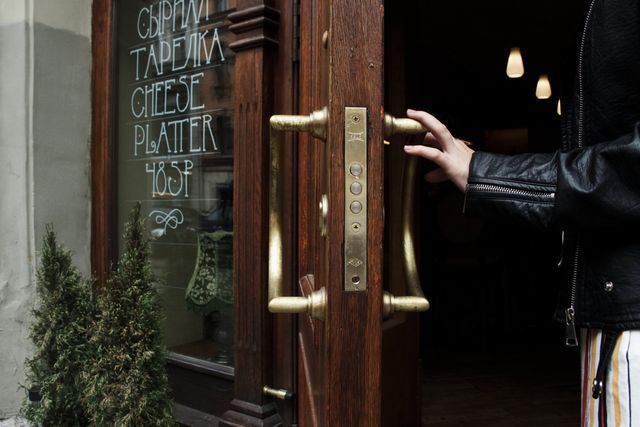
Two timber doors can end up being identical twins with a huge difference after five years, and it’s not just because someone made a mistake along the way. The type of timber and how it’s been treated are major factors in how a door looks and ages. If you’re on the hunt for a custom timber doors Melbourne, you might spend ages poring over designs and grain patterns without giving that timber any real thought. But the truth is the type of timber you choose will have a huge impact on how your door looks in 5 years.
Different Timbers Are Like Different People, All Unique
If you’re in the Australian market, you’ve probably come across Victorian Ash, Blackbutt, Spotted Gum and Merbau. But what does that really mean? Essentially, each one has its own distinct colour, grain pattern, density and durability level. Now, a lot of folks are under the impression that hardwood is a step up from softwood, but that’s not necessarily the case. The truth is hardwood is just a botanical category; it doesn’t mean it’s any tougher or more suitable than softwood. So before you plunk down your cash, take the time to compare different species and get some advice from the maker. Ask about the exact timber they’re using, whether it’s suitable for a front entrance and what kind of maintenance it’ll need. And don’t assume that just because a timber species performs well indoors that it’ll be okay on a porch with full sun beating down on it all day.
Know Where Your Timber Came From
The source of your timber can say a lot about its quality and its environmental impact. If you’re looking at Merbau, for instance, make sure you get the sourcing documents from the maker. Forest certification and chain-of-custody certification are two separate programs. The first one ensures that the forest is being managed in a way that meets environmental, social and economic requirements. The second one looks at the timber from harvest to finished product and makes sure that every stage was done properly.
And when it comes to the global forest scheme, there are three main labels: 100% certified, Recycled and Mix. Now, the Mix label might sound good, but it can actually include certified wood, recycled material and controlled wood; it’s not a guarantee that every bit of the product came from a certified forest. So if you’ve got a maker who can clearly explain all this, and the labels, then they should also be able to give you some insight into the timber they used.
Why Your Timber Door Is Always Moving?
Timber is a very sensitive thing and its size can vary depending on how damp or dry the air is. A wide door, in particular, is going to feel the full effect of this. And poor construction can make things a whole lot worse, if the door is twisted, gaps are starting to appear, or it’s sticking against its frame. But a good door maker will know how to build a door that can take all this in its stride. They might use laminated or engineered stiles and rails to reduce the risk of warping, or design the panels to float inside the frame so that they can move without splitting. That’s especially important when you’re talking about tall pivot doors.
Choosing a Finish According to the Amount of Sun and Weather
Depending on the direction, the door can face either north or west, which are the most challenging locations, where sun and weather affect the surface. Sun rays can ruin the finish, and rain can cause damage to edges.
There are various finishes providing various levels of protection and maintenance.
- Clear Coats: Showcase the natural texture of the timber but require refreshing regularly.
- Stains: Provide colour and protect the surface from UV.
- Oils: Provide a natural appearance of the timber but require regular maintenance.
- Paint: Hides the natural texture and protects the surface effectively.
All edges of the door should be coated, including the top and bottom. Water can penetrate into the timber through these edges unnoticed. Drying and curing time differ depending on the product used. These times can be found in the technical data sheet of the coating.
Entrance Doors for Apartment Buildings Need to Meet Certain Requirements
According to the Australian Bureau of Statistics, in June 2026, apartment approvals rose by 69.9 per cent from May with total approvals of 4,888 dwellings. This number is 21.9 per cent higher compared to the average number over 12 months of 4,009 dwellings. With increasing numbers of apartments being built, there is an increase in the number of entrance doors to meet construction standards. Construction standards depend on building class and door location. Some entrances may need to meet certain requirements concerning fire resistance, acoustic insulation, accessibility and others. Every project needs its own assessment. Unusual door openings may require custom-made sizes because standard sizes can be unsuitable.
A Maintenance Plan for Timber Entrance Door
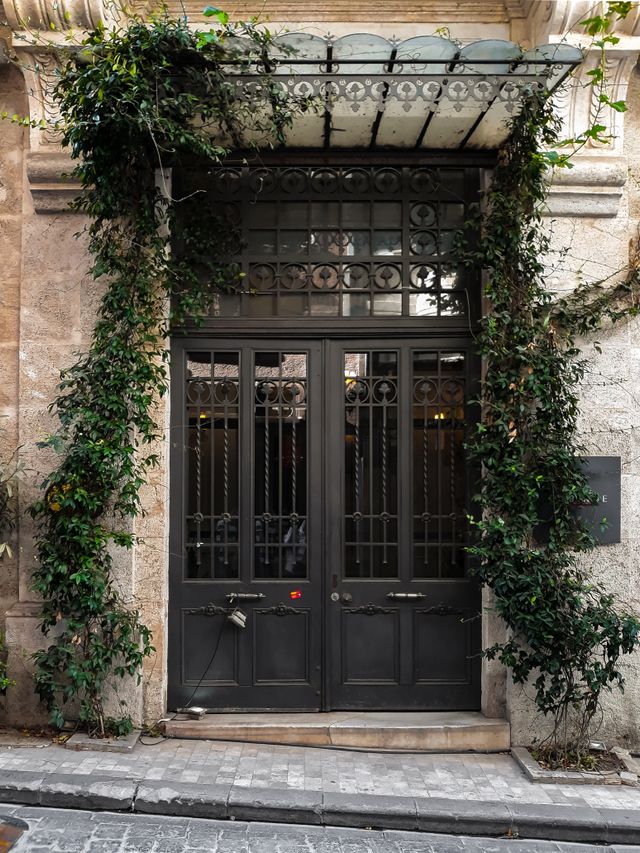
It is important to conduct an annual check-up of the entrance door. Such activities as cleaning, checking the condition of hinges and locks and finishing can help to spot any problem and prevent further damage. Water intrusion may cause significant damage to the timber. Darkened lower edges or softened areas need to be inspected and treated immediately. Early treatment may prolong the life of high-quality timber doors for decades and improve their appearance over time.